Monday - Friday 07:30 - 17:30, Saturday 07:30 - 16:00
Floor Sanding in Dulwich Village, SE21
Back to Portfolio
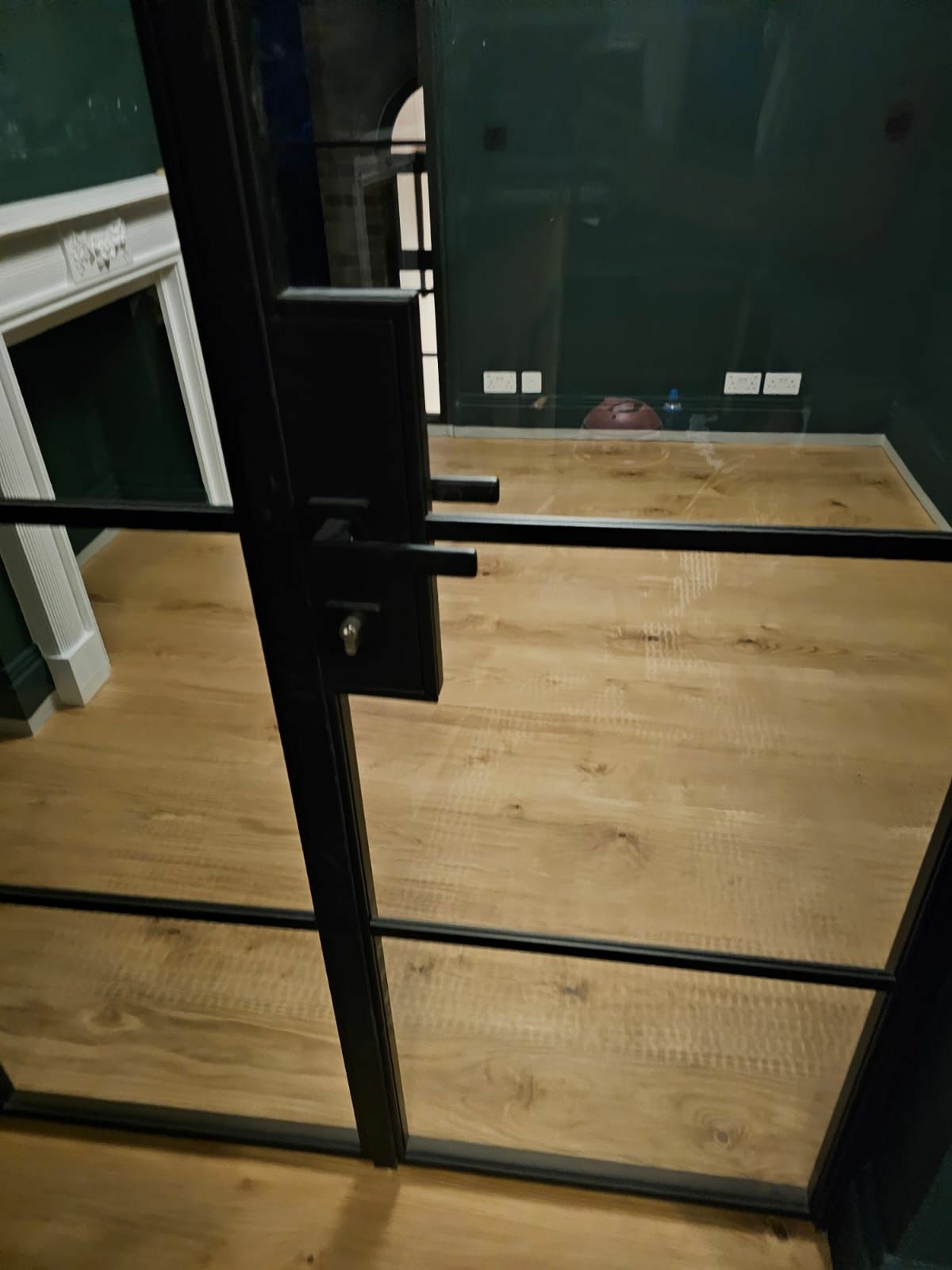
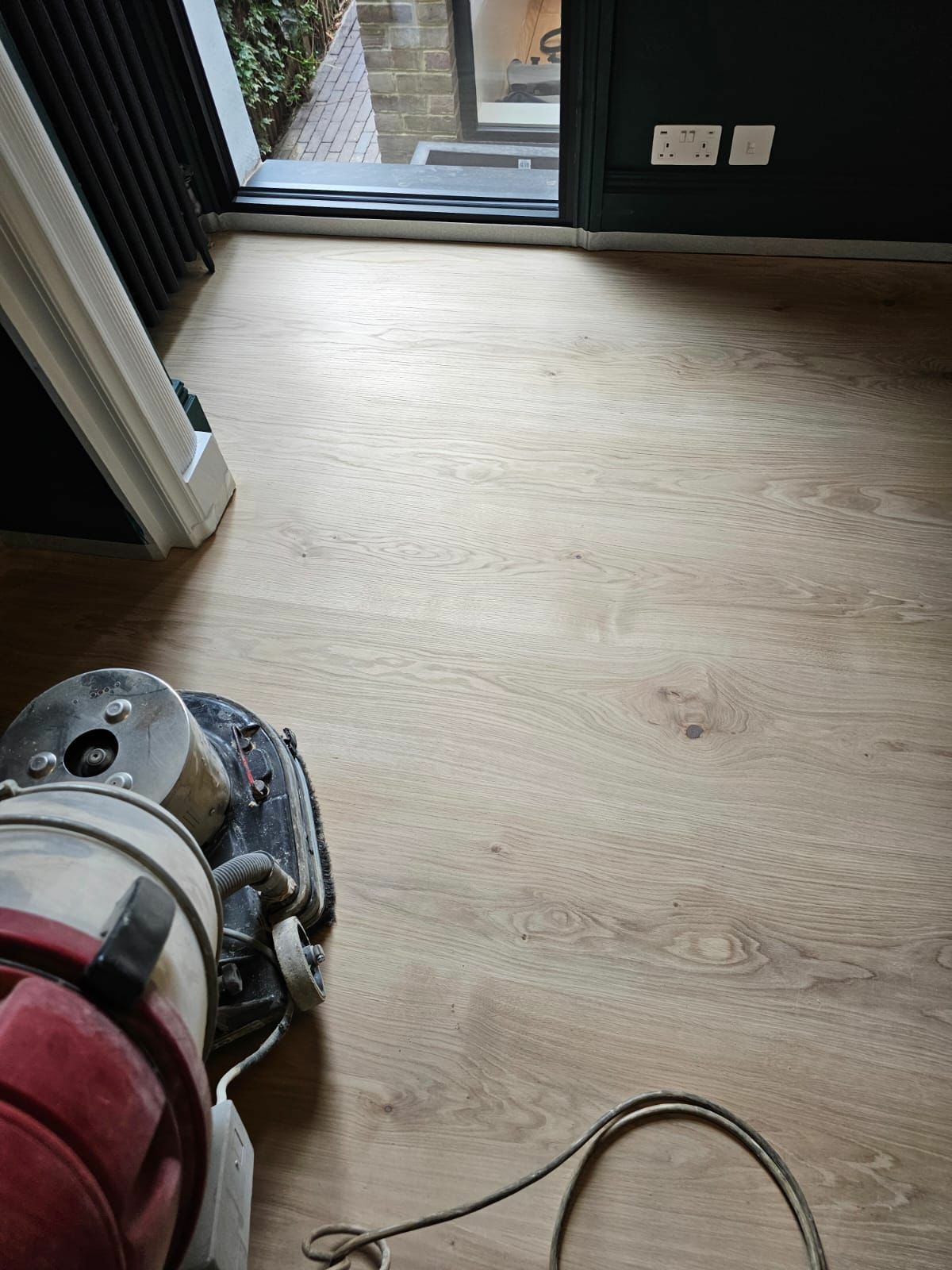
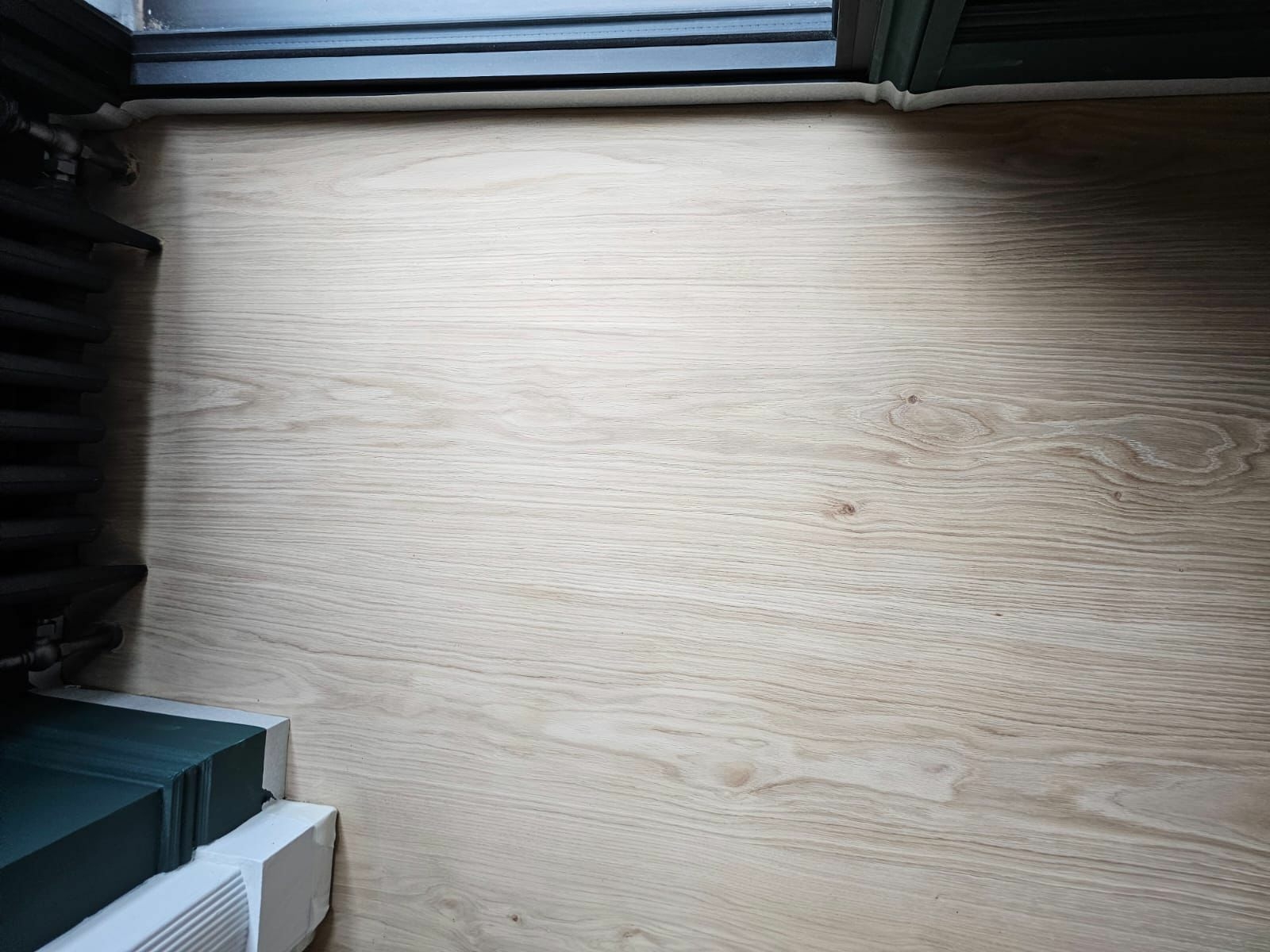
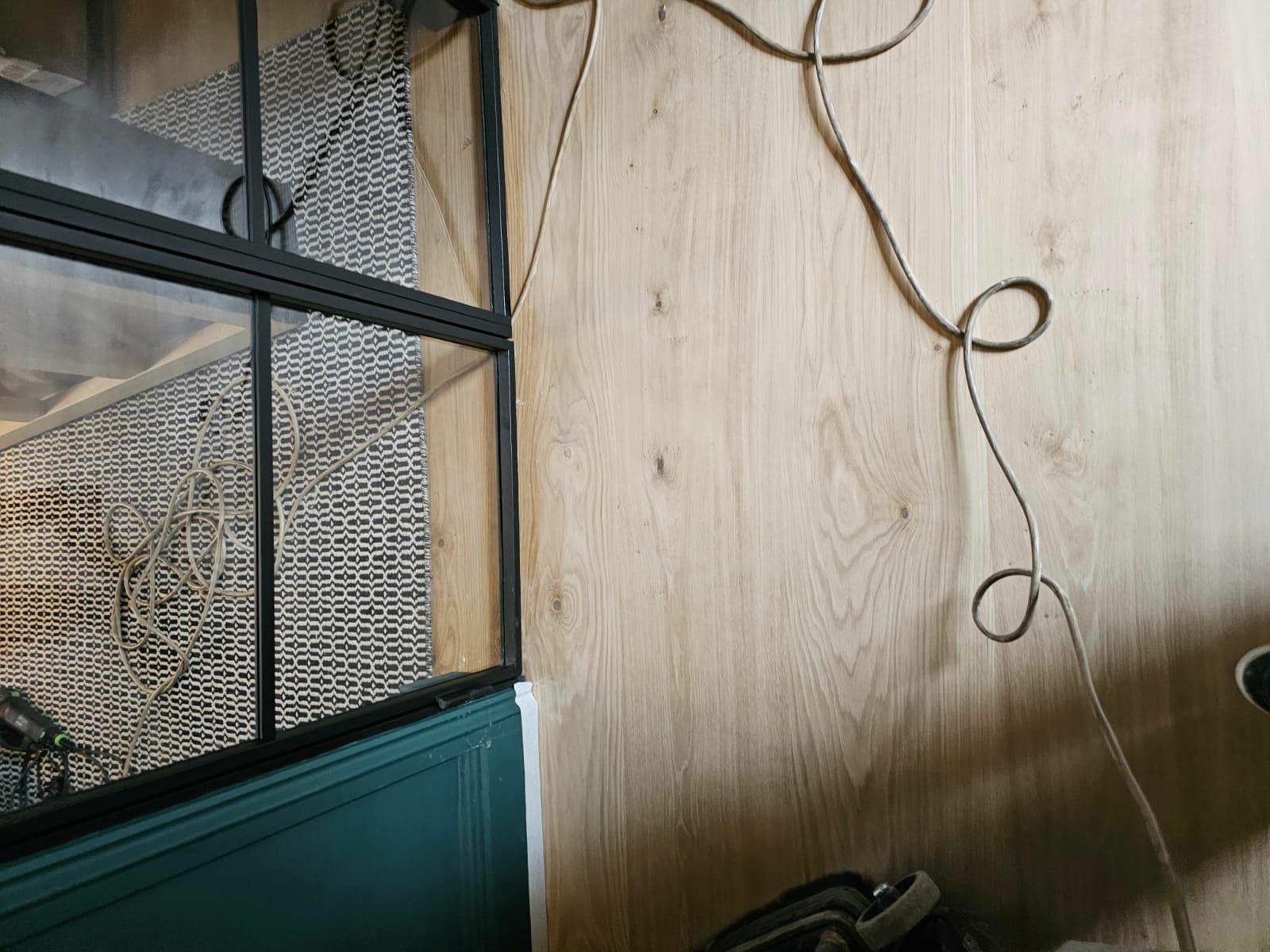
Floor Sanding in Dulwich Village, SE21
We recently completed floor sanding on a Victorian property in Dulwich Village, restoring original wooden floorboards that had been hidden beneath carpet for decades. The owners wanted to expose the character of their home while bringing the floors back to a usable condition. Over ten days, we sanded, repaired, and finished the main living areas, transforming tired boards into a striking feature of the property.
Work carried out
- Full floor sanding across ground floor reception rooms and hallway
- Inspection and replacement of damaged boards
- Dust containment and extraction throughout the project
- Sanding with progressive grit sequence for smooth finish
- Application of hard-wearing matte lacquer
- Edge finishing and staircase treads
- Final inspection and minor touch-ups
About the project
This Dulwich Village property had original pine boards in most rooms, though some had warped and cupped from water damage in the kitchen area. We removed the carpet to find a decent foundation, but the surface showed years of scratches, stains, and old adhesive residue. The owners had two young children and a dog, so they needed a durable, practical finish that could handle family life without constant maintenance.
Our approach was to start with coarse sanding to remove the surface layer, then progress through medium and fine grits to achieve a smooth, even base. We worked in small sections to avoid over-sanding individual areas. Where boards were beyond saving, we sourced period-appropriate pine to blend with existing material. The final step was two coats of hard-wearing lacquer, chosen for its resistance to spills and daily wear rather than appearance alone. We used negative pressure dust extraction to contain the work to sanded areas, which meant other rooms remained largely unaffected during the process.
About our Dulwich Village, SE21 service
Dulwich Village attracts owners of period properties who value authenticity and craftsmanship. Most homes here are Victorian or Edwardian villas built between 1880 and 1910, typically featuring original floorboards in pine, oak, or mixed hardwoods. Many have been covered by carpet or laminate over the decades, which actually helps preserve the wood underneath. We regularly work on properties where owners have recently renovated kitchens or bathrooms and want to refresh the adjoining rooms with exposed, sanded floors that tie the house together.
The area also includes some newer properties and converted warehouse spaces, which sometimes have concrete bases requiring screed preparation before any flooring goes down. We've handled everything from period cottage floors with uneven surfaces to modern apartment installations where precision matters. Properties in SE21 tend to be owner-occupied long term, so people invest in quality finishes that will last ten years or more rather than quick, temporary solutions.
Frequently asked questions
How much does floor sanding cost per square metre?
Sanding typically costs between £25 and £45 per square metre, depending on the floor condition, wood type, and finish required. Heavily damaged floors or those with adhesive residue cost more due to extra time needed. A room of 40 square metres would usually fall between £1000 and £1800 for complete sanding and lacquer finish.
How long does floor sanding take?
For an average room of 30 to 50 square metres, expect five to seven working days from start to finish. This includes preparation, sanding in stages, repairs, and applying two coats of finish with drying time between coats. Larger areas or those requiring significant board replacement take longer. Most projects are completed within two weeks.
Is the dust-free sanding process really dust-free?
We use industrial-grade dust extraction that captures around 95 percent of particles at source during sanding. While some fine dust remains unavoidable, negative pressure containment keeps it confined to the work area. You won't find the thick layer of dust throughout your house that older sanding methods create. We do recommend moving valuables and closing internal doors, but the process is far cleaner than many expect.
Project Gallery